


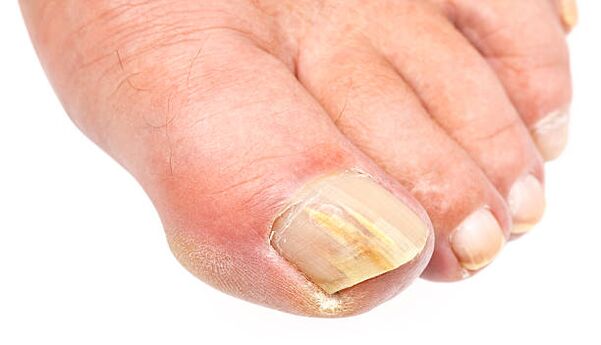
Onychomycosis (nail and toe fungus) is a dermatological pathology that does not pose a threat to life, but brings many difficulties.Even completely healthy people can be infected with fungi, but people with weak immunity who do not pay proper attention to hygiene represent the risk group.
If there is no treatment, the fungus, getting on the skin of a healthy person, can completely destroy the nail plate, spreading further and further.That is why it is very important to start taking the medicine prescribed by the dermatologist on time.
What is the cause of mycosis
You can get a fungal infection after the pathogen reaches the surface of the skin or in the inner layer of the dermis due to micro-cracks.Moreover, often this happens during daily contact with sick people.
Infection can occur in swimming pools, saunas and other places with high humidity.Low temperatures are not able to destroy the colonies of agents, but temperatures above 60 degrees damage them.
Infection with onychomycosis occurs when visiting a pedicure salon, where the rules for sterilizing instruments are not followed.It may also be contracted by using hotel showers or bathtubs.Wearing/trying on shoes that come in contact with the feet of a person with fungus will also lead to pathology.
The causes of fungus vary, but there are undoubted factors that trigger the infection:
- increased sweating of the feet;
- decreased immune system function;
- insufficient foot hygiene;
- conduct antibacterial therapy;
- foot injuries (cuts, cracks, slight abrasions or calluses).
What symptoms should you be aware of?
Since it is quite difficult to get rid of toenail fungus (especially in the later stages), it is best to know the symptoms of this pathology in advance.The main signs of infection with onychomycosis:
- redness of the skin around the nail, accompanied by itching;
- peeling or the appearance of small cracks on the skin;
- turbidity of the nail plate;
- bad smell when feet sweat;
- fine spots on the nails that are gray, dull green, yellow or black (sometimes white if the agent is the yeast that causes thrush);
- gradual separation of the nail plate;
- nails fall off.
If the nail fungus is not treated, the symptoms become more pronounced and the condition of the nail plate worsens.Therefore, at the first manifestation of pathology, contact a dermatologist.
Features of therapy
To get rid of the problem as soon as possible, you need to understand what stage the disease is.Only after a complete examination will the dermatologist be able to prescribe an effective treatment.The Isis private clinic is ready to offer qualified dermatologists, so get help when you see the first symptoms - don't self-medicate.
In advanced cases, removal of the nail plate may be necessary;the procedure must be carried out in compliance with hygiene requirements.
In the initial stages, dermatologists prescribe external treatment with antibacterial creams and ointments.At a later stage (if the pathology appeared more than a year ago), systemic therapy is prescribed, including the use of special creams, taking antifungal drugs, immunostimulants and vitamin supplements.
Disease prevention
Since it is impossible to cure nail fungus quickly, be prepared for a long therapy, and you may need to take a second course after some time.
To avoid this, you should always remember about disease prevention, especially if you have a weak immune system:
- wearing shoes on the beach;
- wear closed rubber slippers in swimming pools and saunas;
- Always buy cotton socks (wash daily);
- don't try on other people's shoes;
- always keep your feet dry;
- Disinfect your shoes regularly.